

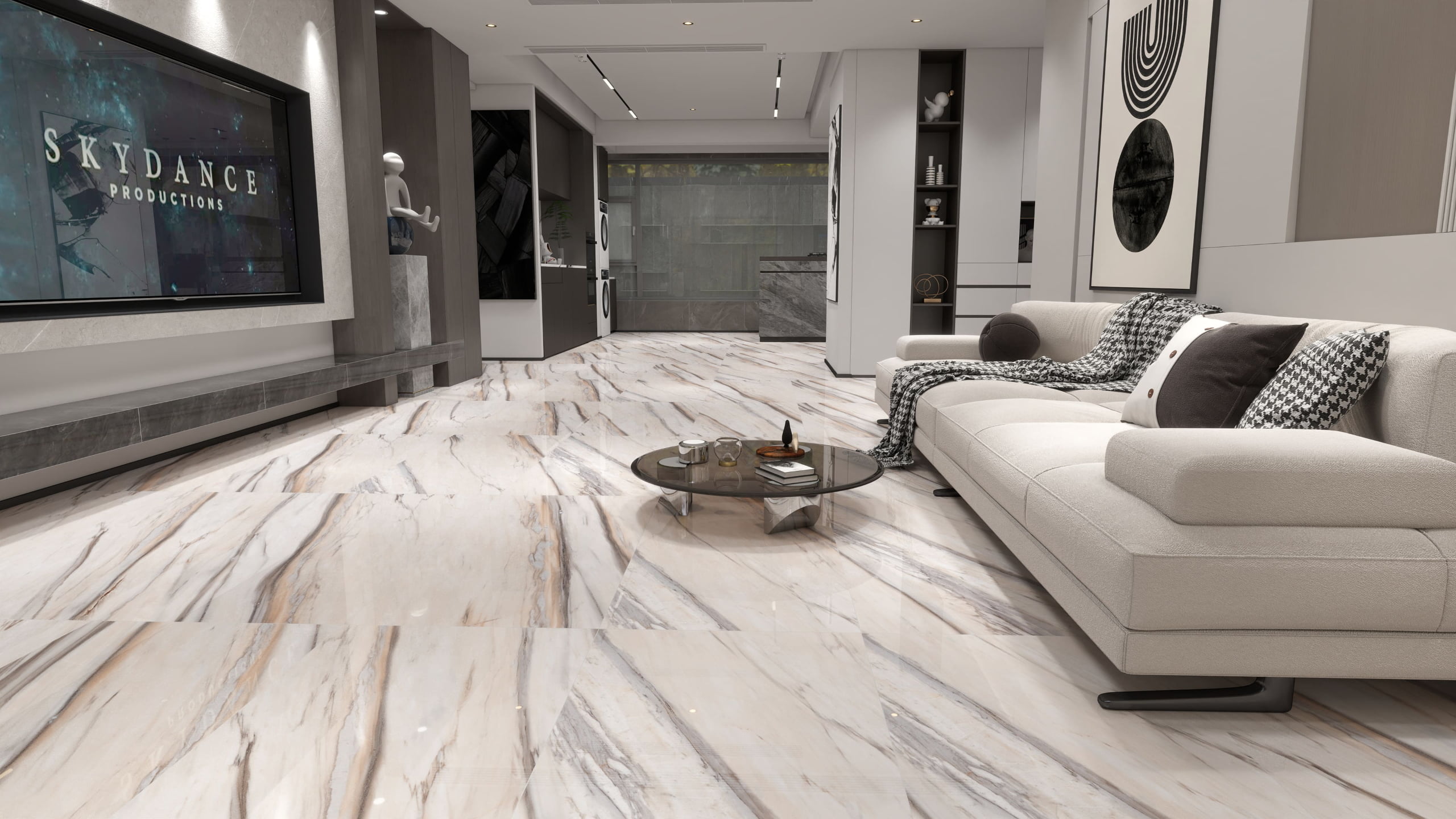
What exactly is a tile?
Struggling to find the right materials for your building project? Bad choices cost time and money. I will explain everything you need to know about tiles today.
A tile is a hard building material made from clay, sand, and other natural elements. Factories mix these materials, shape them, and bake them in very hot kilns. Builders and designers use them to cover floors and walls in homes, hotels, and commercial spaces.
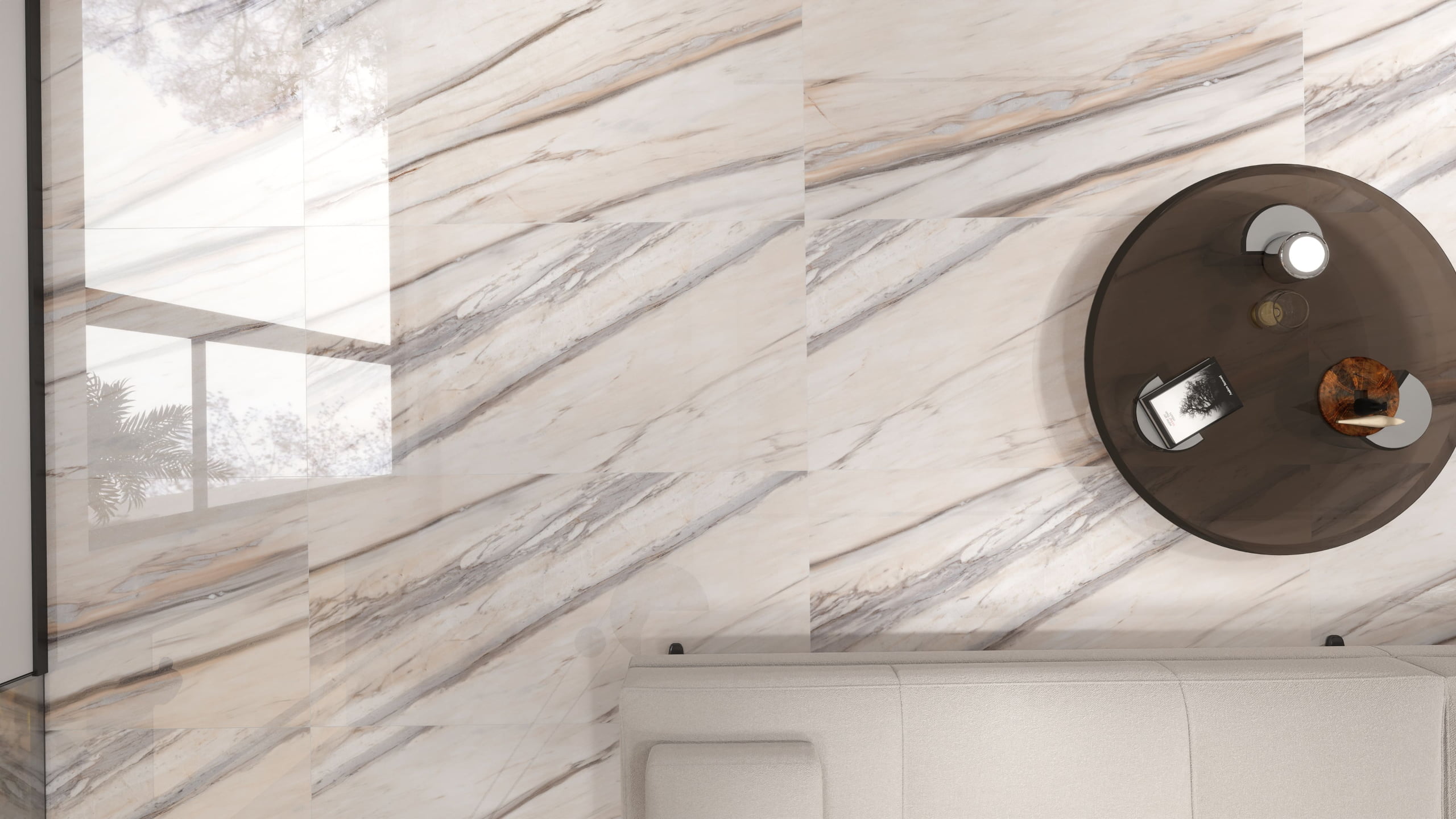
If you want to buy the best tiles for your project, you must know how factories make them and what options exist. Stop guessing and read on to learn the real facts about tile manufacturing and selection.
How are tiles produced?
Do you worry about poor quality tiles cracking easily? Weak tiles ruin good projects. Let us look at the factory process so you can understand what makes a tile strong.
Factories produce tiles in five main steps. They crush clay and minerals into a fine powder. They press this powder into shapes. Next, they dry the tiles and apply glaze. Finally, they bake the tiles at very high temperatures in a long kiln.
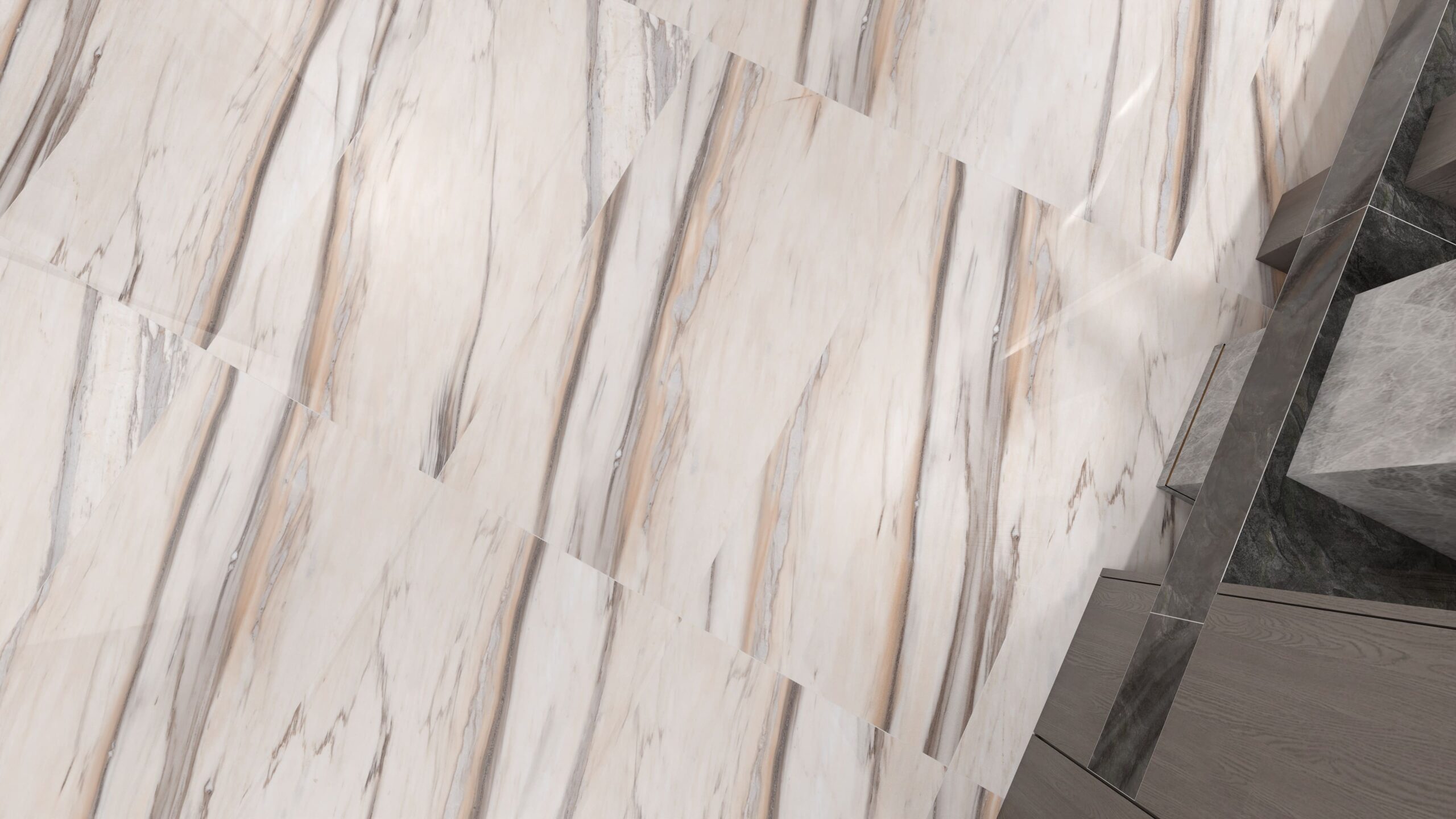
I started my career as a designer in a tile factory. I spent a lot of time on the production line. I saw the raw materials turn into beautiful products every day. The production process needs strict control at every step to ensure good quality.
Step-by-Step Production Process
The process starts with raw materials. Factories mix clay, feldspar, and quartz. They grind these into a liquid slip. A huge spray dryer removes the water from the slip. This action leaves a dry powder behind.
A big machine presses the powder into a mold. This forms the tile body. The body is weak at this stage. It must dry slowly to remove all moisture inside it.
Then, the factory prints patterns on the surface. We use big digital printers now. They print any design we want. After printing, the tiles go into the kiln. The kiln is very hot. The hot fire changes the soft clay into a hard, durable material.
| Production Step | What Happens | Why It Matters |
|---|---|---|
| Milling and Drying | Grinds clay and makes dry powder | Creates the basic material for pressing |
| Pressing | Puts heavy pressure on the powder | Shapes the tile and gives it strength |
| Glazing and Printing | Adds color, patterns, and surface coats | Makes the tile look beautiful and unique |
| Firing | Bakes the tile at over 1200 degrees Celsius | Makes the tile hard, strong, and water-proof |
You must understand this process clearly. It helps you check quality when you buy tiles for your clients.
What types of tiles are there?
Are you confused by too many tile choices? Picking the wrong style hurts your sales. I will break down the different types of tiles so you buy the right ones.
Tiles have many types based on their surface and use. Floor tiles evolved from basic polished tiles to full polished glazed and matte tiles. Wall tiles moved from simple glossy surfaces to rich textured molds and unique glazes to create beautiful room designs.
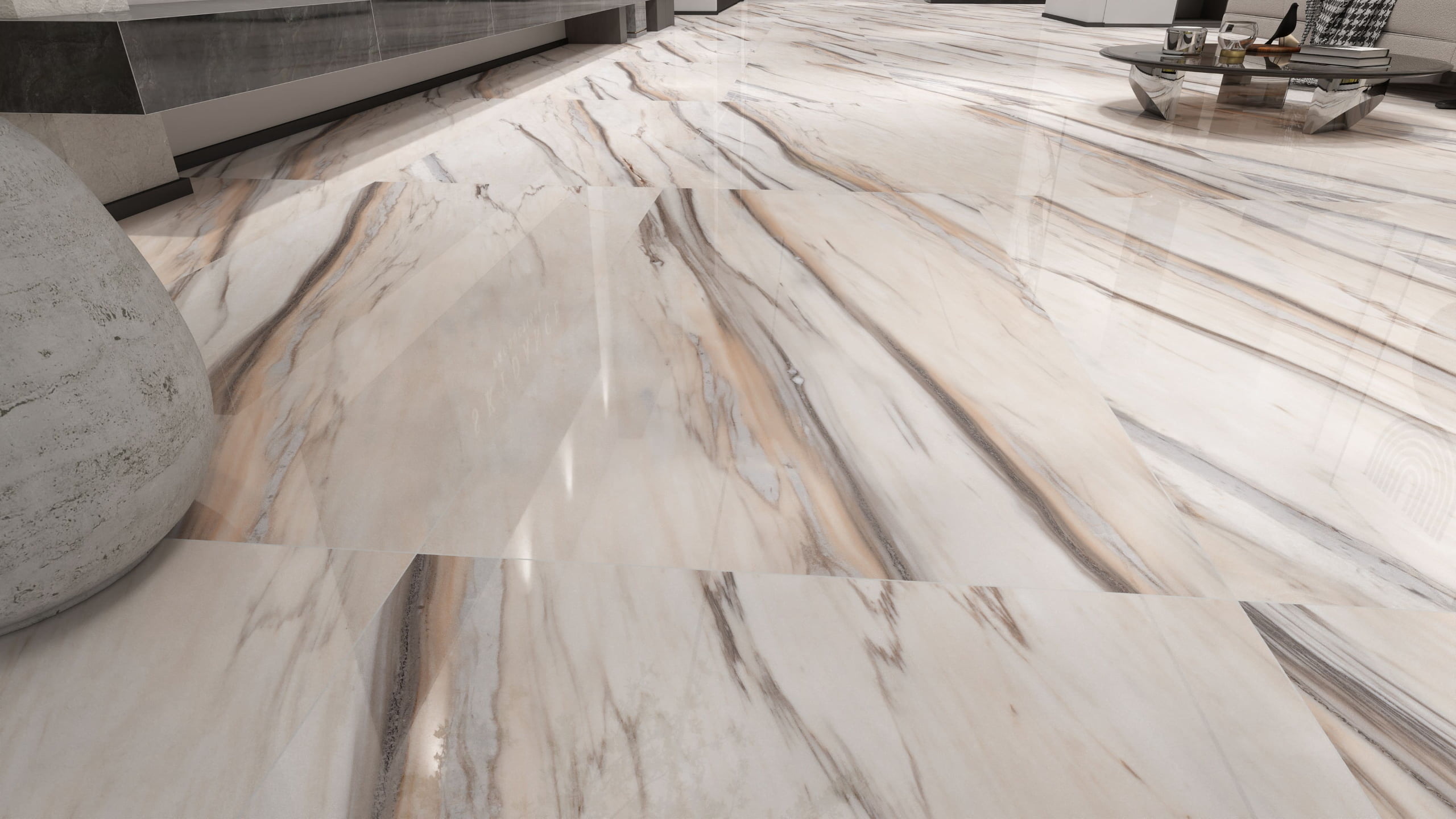
At SaluonaCeramics, we export tiles to many countries. Every market wants different styles. I have seen tile types change a lot over the years. We always adapt to give customers the best options.
The Evolution of Floor Tiles
In the past, factories mostly made polished tiles. We sold lots of soluble salt tiles and double loading tiles. Later, the market wanted more choices. We started making matte tiles. These include rustic tiles, lappato tiles, and mold tiles. Full polished glazed tiles also became very popular.
Surface crafts changed fast. We started with simple flat, mold, and half-polished surfaces. Then we developed anti-slip tiles, carving matte tiles, golden or silver line tiles, and micro mold tiles. Today, we have very advanced surfaces. Customers love starry matte, starry glossy, glue lappato, deep cavity mold, and ice crystal glossy tiles.
The Evolution of Wall Tiles
Wall tiles focus on beauty. Early wall tiles had basic glossy, matte, or bumpy surfaces. Now, the inner wall tile surface is much richer than floor tiles.
Wall tiles use many molds. The molds are a big highlight. You can find mold surfaces, carving surfaces, candy lappato, glue surfaces, starry surfaces, and golden line surfaces. Designers match rich mold tiles with flat tiles to build very beautiful rooms.
| Tile Category | Traditional Types | Modern Surface Crafts |
|---|---|---|
| Floor Tiles | Soluble salt, Double loading, Basic Polished | Carving matt, Starry glossy, Glue lappato, Ice crystal |
| Wall Tiles | Basic Glossy, Basic Matt, Bumpy | Deep cavity mold, Candy lappato, Golden line, Starry surface |
You can win more projects if you offer these new types to your local buyers.
What sizes do tiles come in?
Are your clients asking for sizes you do not have? Small tiles look old in big rooms. Let me show you the popular tile sizes to keep your business fresh.
Tiles come in many sizes. Early floor tiles were 30x30cm to 60x60cm, but modern ones reach 120x120cm and 90x180cm. Wall tiles started small at 10x10cm but now include large formats like 40x120cm to fit modern design trends and make spaces look seamless.
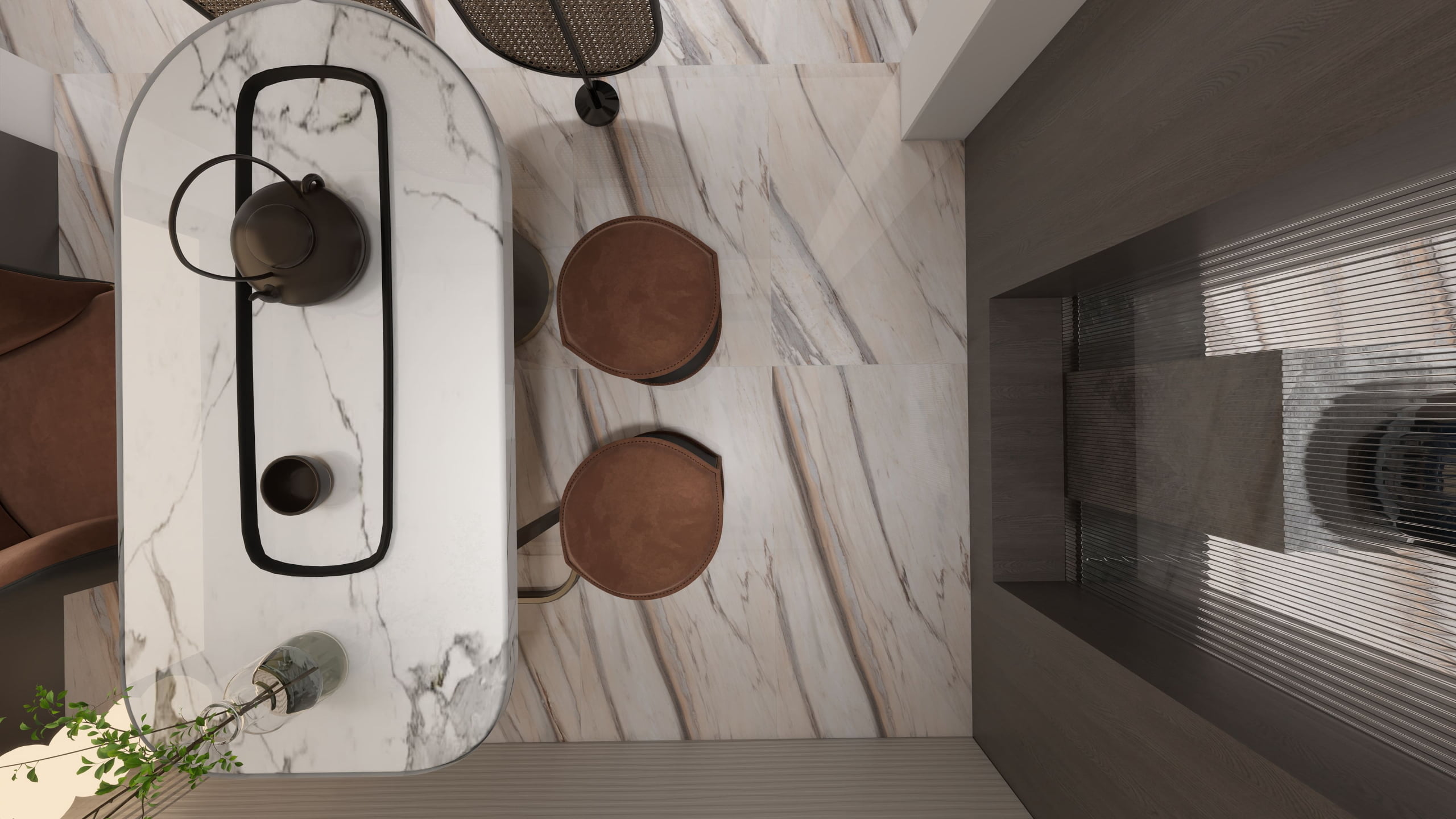
I talk to wholesalers and project buyers every day. People always ask about sizes. Tile sizes grew bigger over time. Manufacturing technology improved a lot. Large tiles look grand and have fewer grout lines.
Floor Tile Sizes
Many years ago, the common floor tile sizes were small. We sold lots of 60x60cm, 40x40cm, and 30x30cm tiles. As factories bought bigger presses, sizes increased. We introduced 60x120cm, 60x90cm, and 100x100cm. These became the new standard.
Recently, large-format tiles took over the high-end market. Now we produce 75x150cm, 80x160cm, 90x90cm, 120x120cm, and even 90x180cm. Big projects love these large sizes.
Wall Tile Sizes
Wall tiles also changed. In the beginning, small sizes were very popular. People bought 10x10cm, 15x15cm, 20x20cm, and 20x30cm. Later, the sizes grew to 30x45cm and 30x60cm.
Today, modern bathrooms and kitchens need bigger wall tiles. The popular sizes are 30x80cm, 30x90cm, and 40x120cm.
| Category | Past Common Sizes (cm) | Modern Popular Sizes (cm) | High-End / Large Format (cm) |
|---|---|---|---|
| Floor Tiles | 30×30, 40×40, 60×60 | 60×120, 60×90, 100×100 | 75×150, 120×120, 90×180 |
| Wall Tiles | 10×10, 15×15, 20×30 | 30×45, 30×60 | 30×80, 30×90, 40×120 |
You must stock the right sizes. The right size helps your clients create a perfect space. We support flexible sizes to match your local market.
Conclusion
Tiles evolved from simple clay pieces into large, highly crafted building materials. You can win more business by choosing the right types, sizes, and a strong factory partner.