

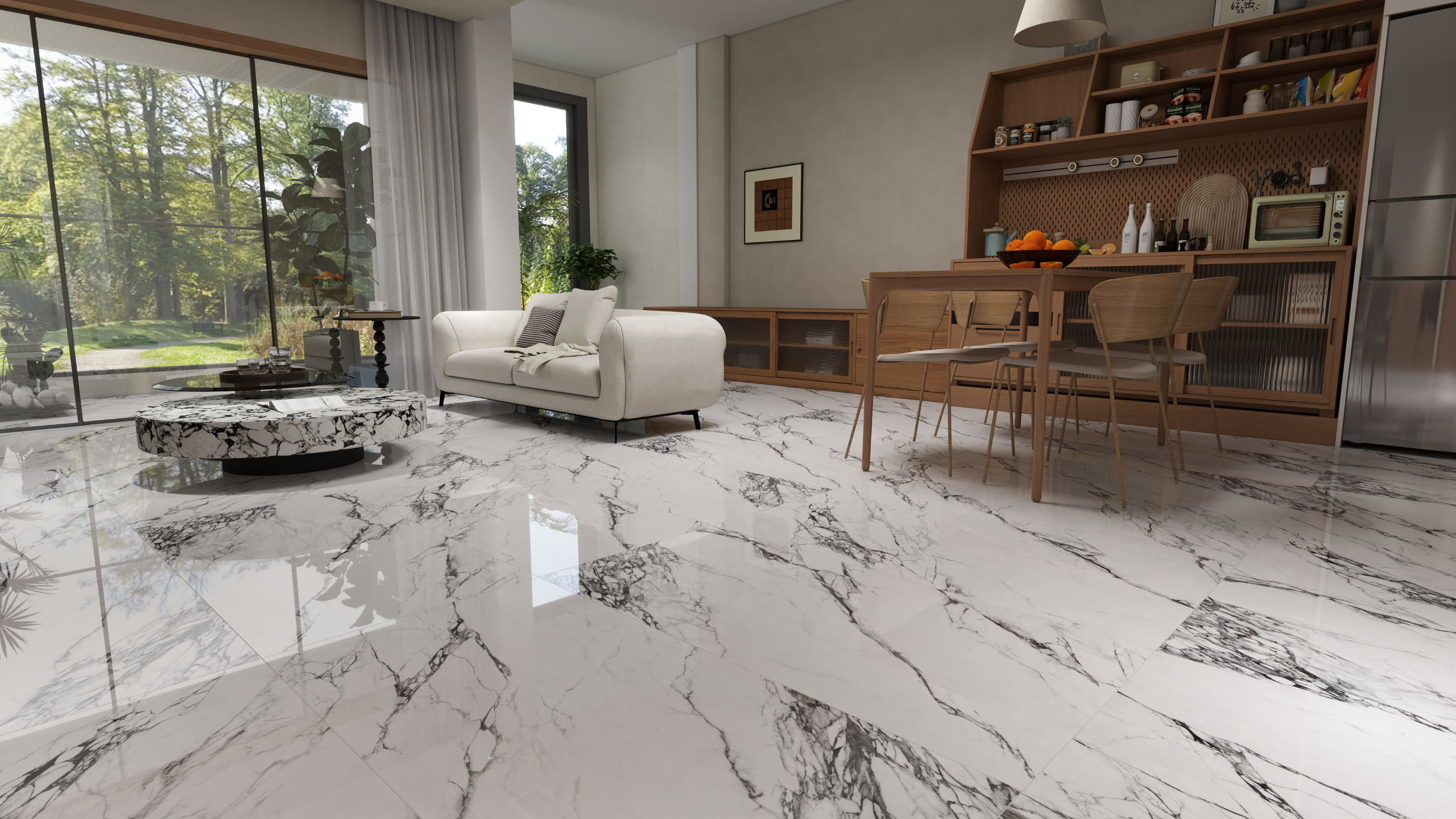
What exactly is a porcelain tile?
Do your clients complain about tiles cracking in cold weather or absorbing dirty water? Bad tiles ruin expensive projects. I will explain why porcelain tile solves these big problems today.
A porcelain tile is a highly dense building material made from special clay and baked at extreme temperatures. It features a water absorption rate below 0.5 percent. Builders use it for floors and walls because it resists heavy traffic, freezing weather, and deep stains better than ordinary tiles.
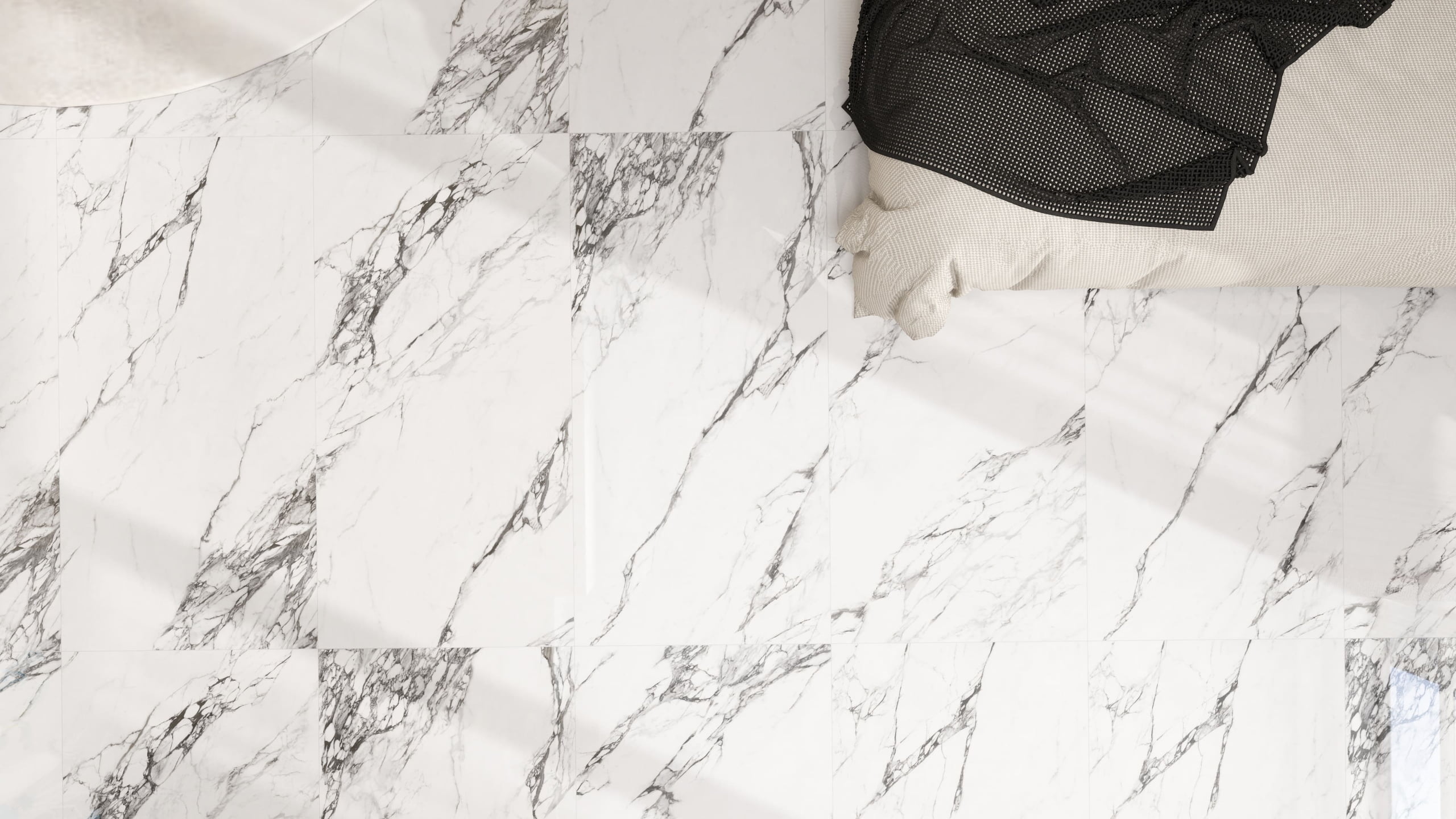
You must know the exact facts about tile materials to succeed in the wholesale market. If you sell the wrong material, your buyers will lose trust in your brand. Keep reading to learn the true power of porcelain tiles.
Core definition: what makes a porcelain tile unique?
Do you wonder why some tiles cost more but last longer? Cheap tiles break easily. I will show you the exact ingredients that make porcelain unique and strong.
A porcelain tile is unique because factories use very fine, pure clay and quartz. We bake this mixture at over 1200 degrees Celsius. This extreme heat melts the materials together into a solid, glass-like body that stops water and resists heavy impacts.
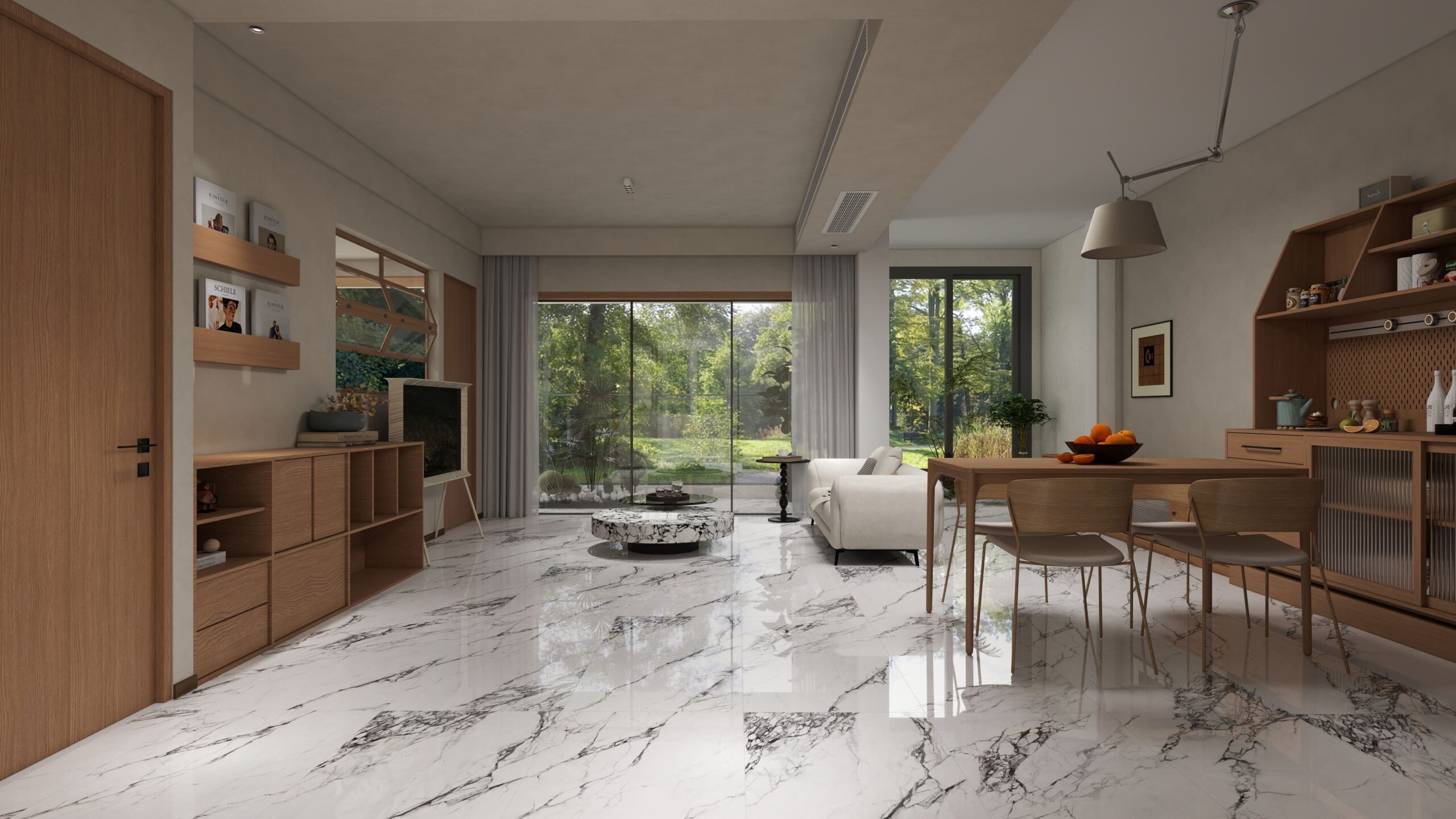
I started working in a tile factory many years ago. I watched workers mix the raw materials every day. Ordinary tiles use standard red or white clay. Porcelain tiles need special white clay called kaolin. Kaolin is very pure and fine. We mix this kaolin with feldspar and quartz. We press these materials with massive machines to remove air.
We send these pressed bodies into a very long kiln. The temperature reaches over 1200 degrees Celsius. Normal clay burns at this heat. The special porcelain mixture does not burn. It melts slightly and becomes a solid block. We call this process vitrification. The tile body becomes like glass inside.
| Material Type | Main Ingredients | Baking Temperature | Body Result |
|---|---|---|---|
| Ordinary Tile | Standard clay, sand | Around 1000 degrees | Porous, soft |
| Porcelain Tile | Kaolin clay, quartz | Over 1200 degrees | Dense, glass-like |
You must explain this factory process to your project buyers. They will understand why porcelain feels heavier and acts stronger. This knowledge helps you sell high-end materials to luxury builders easily.
Key features of porcelain tile: how does it provide durability and low water absorption?
Are your tiles failing in wet or freezing areas? Weak tiles absorb water and break when frozen. I will explain how porcelain features protect your building projects completely.
The main key features of porcelain tile are extreme durability and very low water absorption. The water absorption rate stays below 0.5 percent. This tight body stops water damage, prevents freezing cracks, and resists deep scratches from heavy foot traffic in busy commercial spaces.
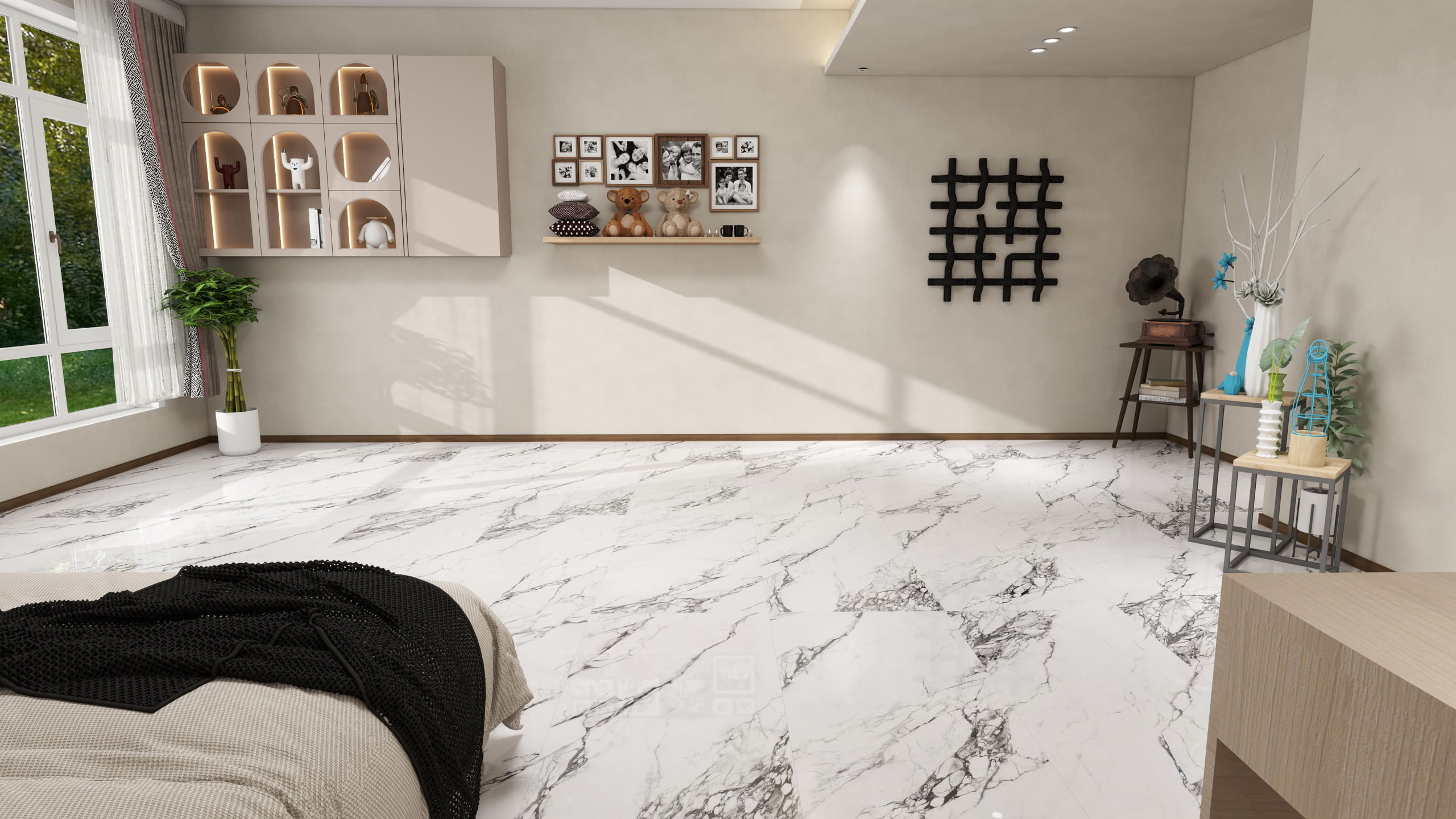
Water is the biggest enemy of building materials. If a tile absorbs water, dirty stains enter the body. In cold countries like Russia or Canada, this water freezes. The ice expands and breaks the tile. Porcelain tile solves this problem. It has a water absorption rate under 0.5 percent. Water simply stays on the surface. You can wipe it away easily.
I talk to big importers in Dubai often. They need tiles for huge shopping malls. They always buy porcelain. Porcelain is extremely hard. Sand and shoes do not scratch it easily. Heavy machines do not crack it. We measure this hardness in the factory to ensure total safety.
| Feature | Test Result | Real World Benefit |
|---|---|---|
| Water Absorption | Less than 0.5 percent | No stains, no freeze cracks |
| Surface Hardness | High scratch resistance | Looks new in busy areas |
| Breaking Strength | Takes heavy loads safely | Supports heavy furniture and cars |
You must check these features when you buy tiles. Your clients will trust you when their floors look perfect after many years.
Common applications of porcelain tile: how does it create versatile spaces for every need?
Do you struggle to find one material for whole house designs? Mixing materials looks messy. I will show you how porcelain fits perfectly into any room or outdoor space.
You can use porcelain tiles almost anywhere. Builders use them on bathroom floors, kitchen countertops, hotel lobbies, and outdoor patios. Today, many designers even use large porcelain tiles on living room walls to replace traditional weak wall tiles and create luxury spaces.
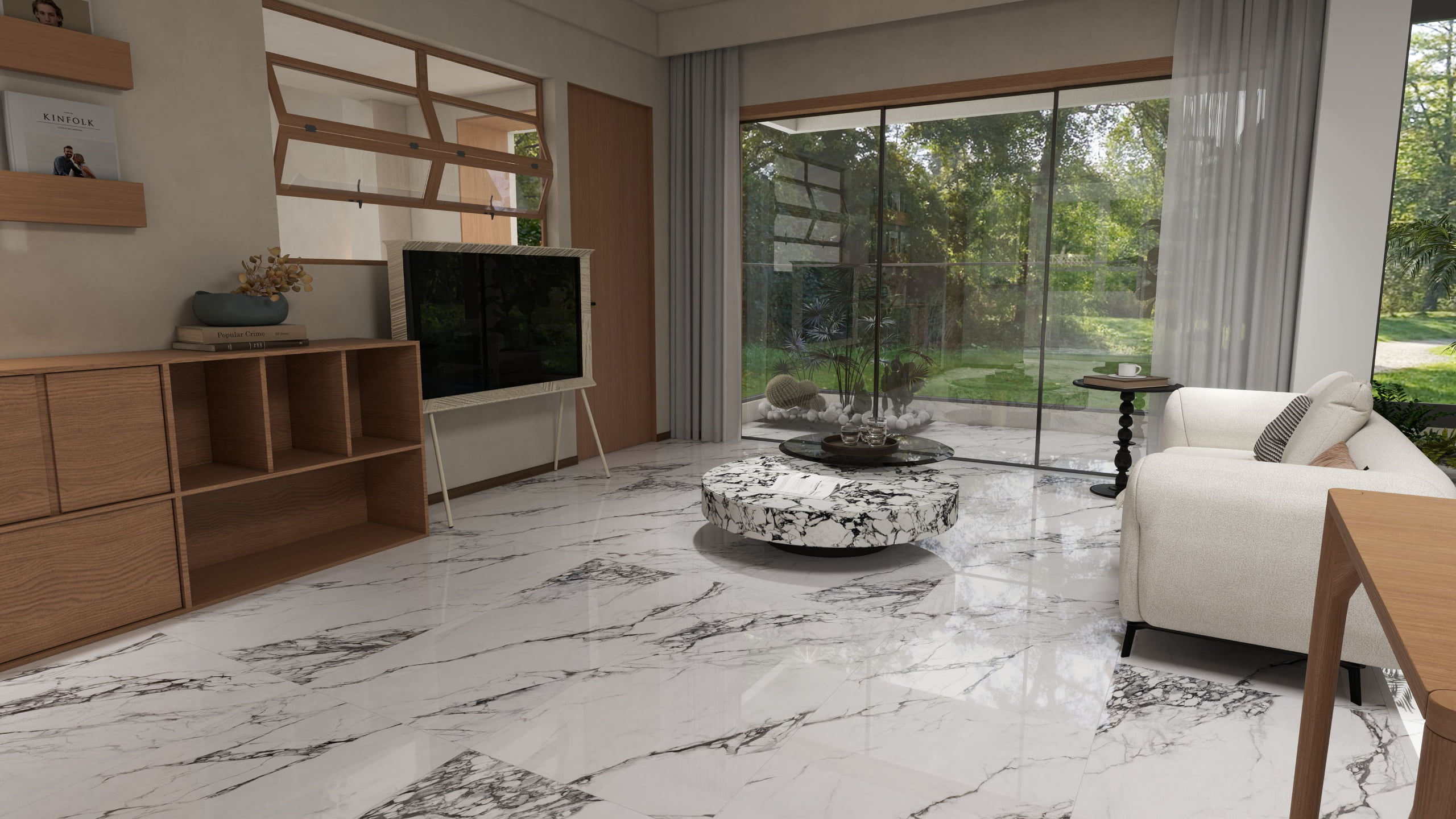
In the past, people only used porcelain for floors. Today, my clients change their habits. More and more customers choose low water absorption porcelain tiles to replace traditional wall tiles. They love the seamless look. Large porcelain slabs look amazing on vertical surfaces. They match the floor perfectly. You must use strong glue to hold these heavy tiles on walls.
Porcelain works perfectly outdoors too. The sun does not fade its color. Rain does not damage it. You can build beautiful outdoor kitchens or swimming pool areas. I see many luxury villas use the same porcelain design from the inside living room to the outside garden.
| Application Area | Tile Style Used | Main Reason for Choice |
|---|---|---|
| Hotel Lobbies | Large polished porcelain | Luxury look, resists heavy walking |
| Bathrooms | Matte porcelain | Anti-slip safety, resists water |
| Feature Walls | Large porcelain slabs | Replaces traditional wall tiles, grand design |
| Outdoor Patios | Thick rustic porcelain | Sun-proof, frost-proof, strong grip |
You can sell more products by showing these versatile applications to your interior design partners. They want flexible materials to create unique stories for every space.
Porcelain tile vs. ceramic tile: how to tell them apart?
Do your customers get confused between porcelain and ceramic? Wrong advice causes huge project failures. I will teach you the exact ways to tell these two tiles apart clearly.
The main difference between porcelain and ceramic tile is the water absorption rate. Porcelain tile absorbs less than 0.5 percent of water. Ceramic tile absorbs much more water. In Chinese factories, we mostly make ceramic interior wall tiles with a water absorption rate around 15 percent.
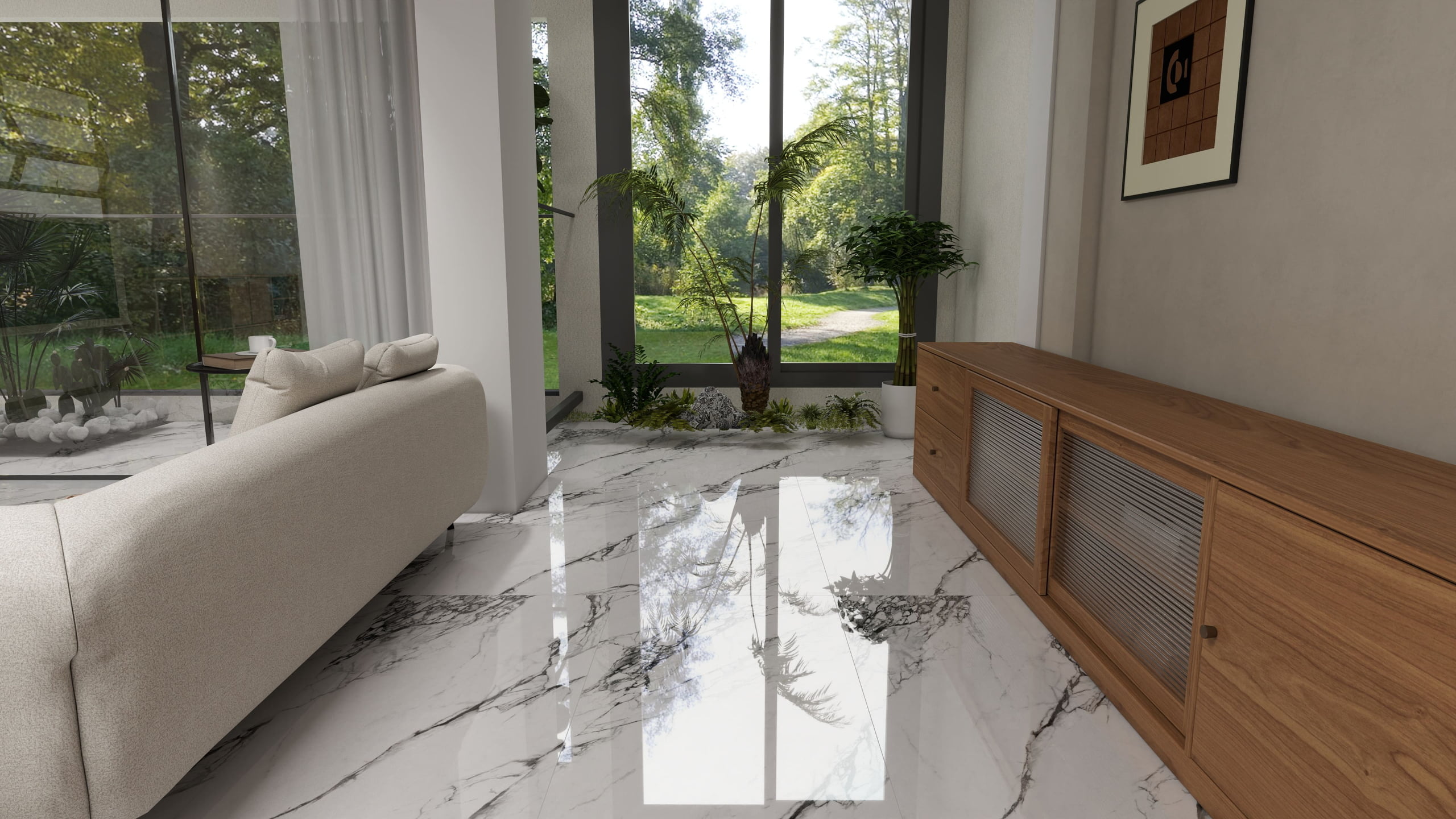
I always teach new buyers a simple trick. You can turn the tile over and look at the back. Pour a few drops of water on the unglazed back. If the water stays like a bead, it is a porcelain tile. If the tile body drinks the water fast, it is a ceramic tile. This happens because ceramic wall tiles in China have about a 15 percent water absorption rate.
You can also look at the color and feel the weight. Porcelain tiles feel very heavy. They have a dense, tight body. The clay color is usually white or light gray. Ceramic tiles feel much lighter. They have an open body. The clay color is often red or brown.
| Feature | Porcelain Tile | Ceramic Wall Tile |
|---|---|---|
| Water Absorption | Below 0.5 percent | Around 15 percent |
| Weight and Feel | Very heavy, solid | Light, easy to cut |
| Best Use Case | Floors, outdoor, high-end walls | Indoor bathroom and kitchen walls |
| Factory Process | Kaolin clay, over 1200 degrees | Standard clay, lower heat |
You must share this simple comparison with your buyers. Clear facts build trust and help you close deals faster.
Conclusion
Porcelain tile is a dense, hard material with very low water absorption. Understand these strong features to supply safe, beautiful, and lasting materials to your valuable project clients.