

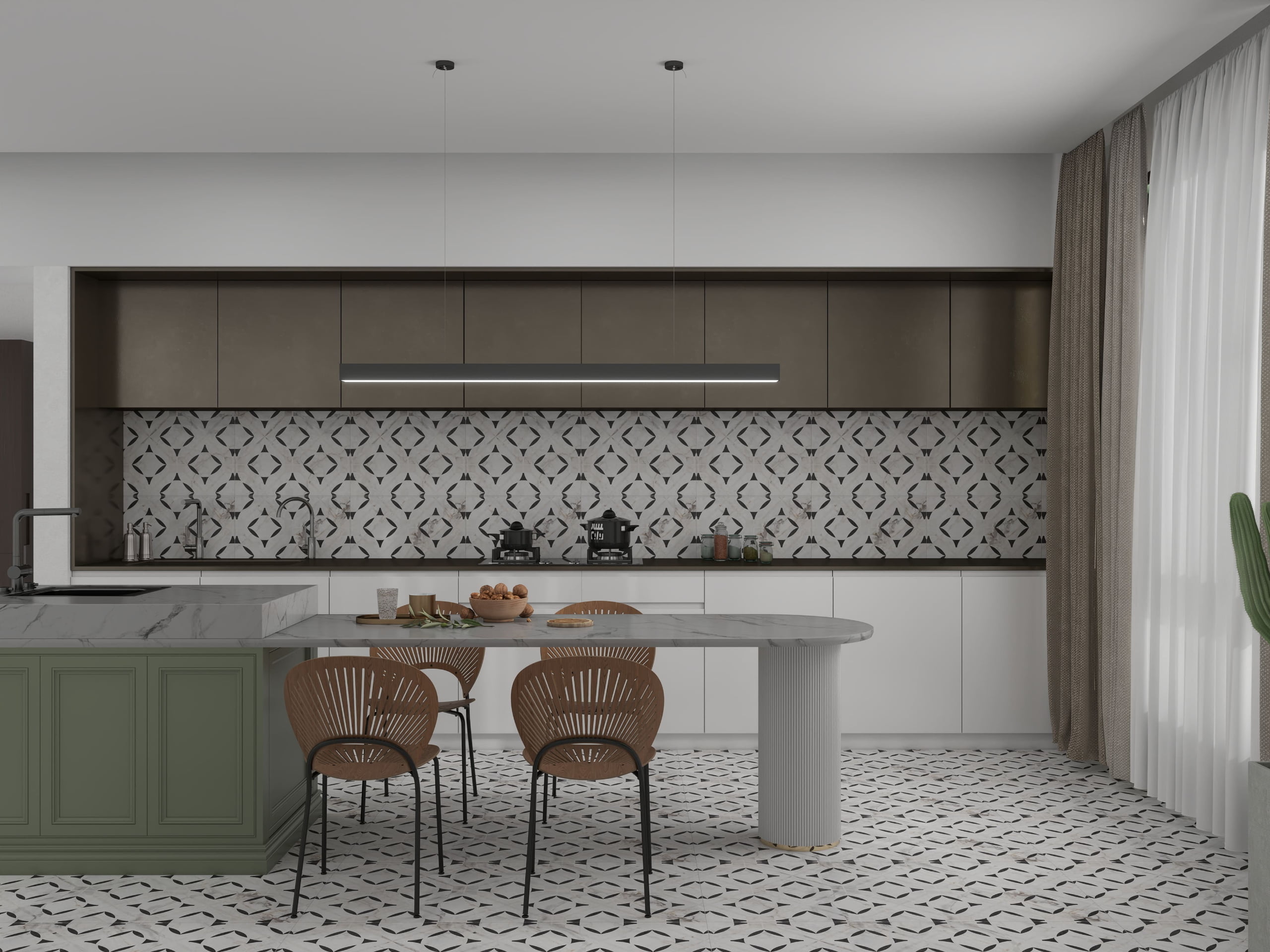
What are floor tiles and wall tiles exactly?
Do you mix up floor tiles and wall tiles? Using the wrong type breaks tiles and ruins projects. I will help you choose the right tile every time.
Floor tiles are strong materials built to handle heavy foot traffic and daily wear. Wall tiles are lighter decorative materials used on vertical surfaces. Builders use floor tiles for strong bases and wall tiles for beautiful room designs.
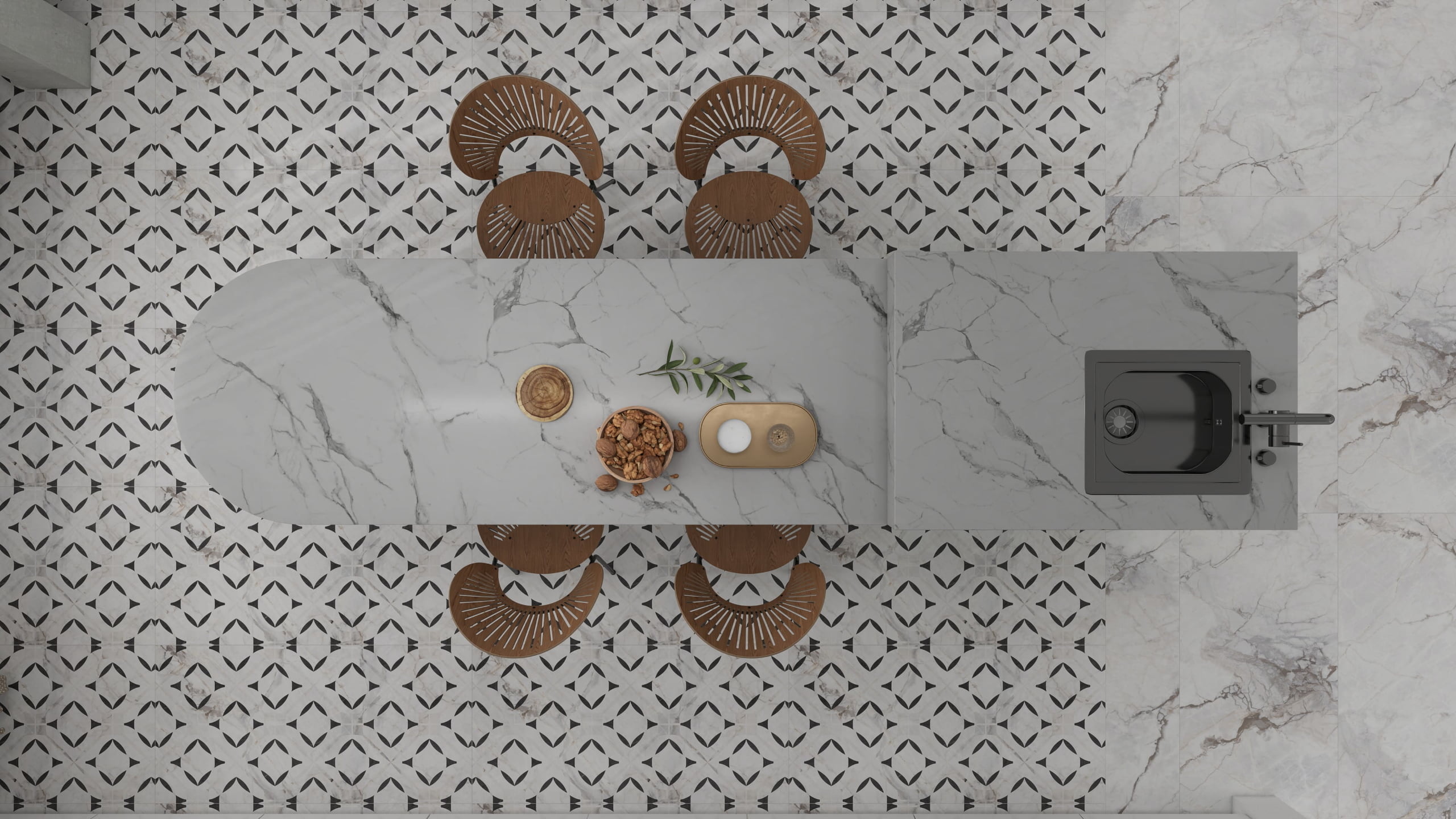
You might think all tiles are the same. This mistake causes huge problems for building material retailers. I want to share my factory experience with you. You will understand these two products clearly. You will buy them with total confidence.
What are floor tiles?
Do your clients complain about cracked floors? Weak tiles cannot handle heavy loads. I will show you what makes a real floor tile strong and safe.
Floor tiles are hard building materials specifically designed for flooring applications. Factories make them very strong to withstand foot traffic, heavy loads, and daily wear and tear. They create safe, durable walking surfaces in residential and commercial spaces.
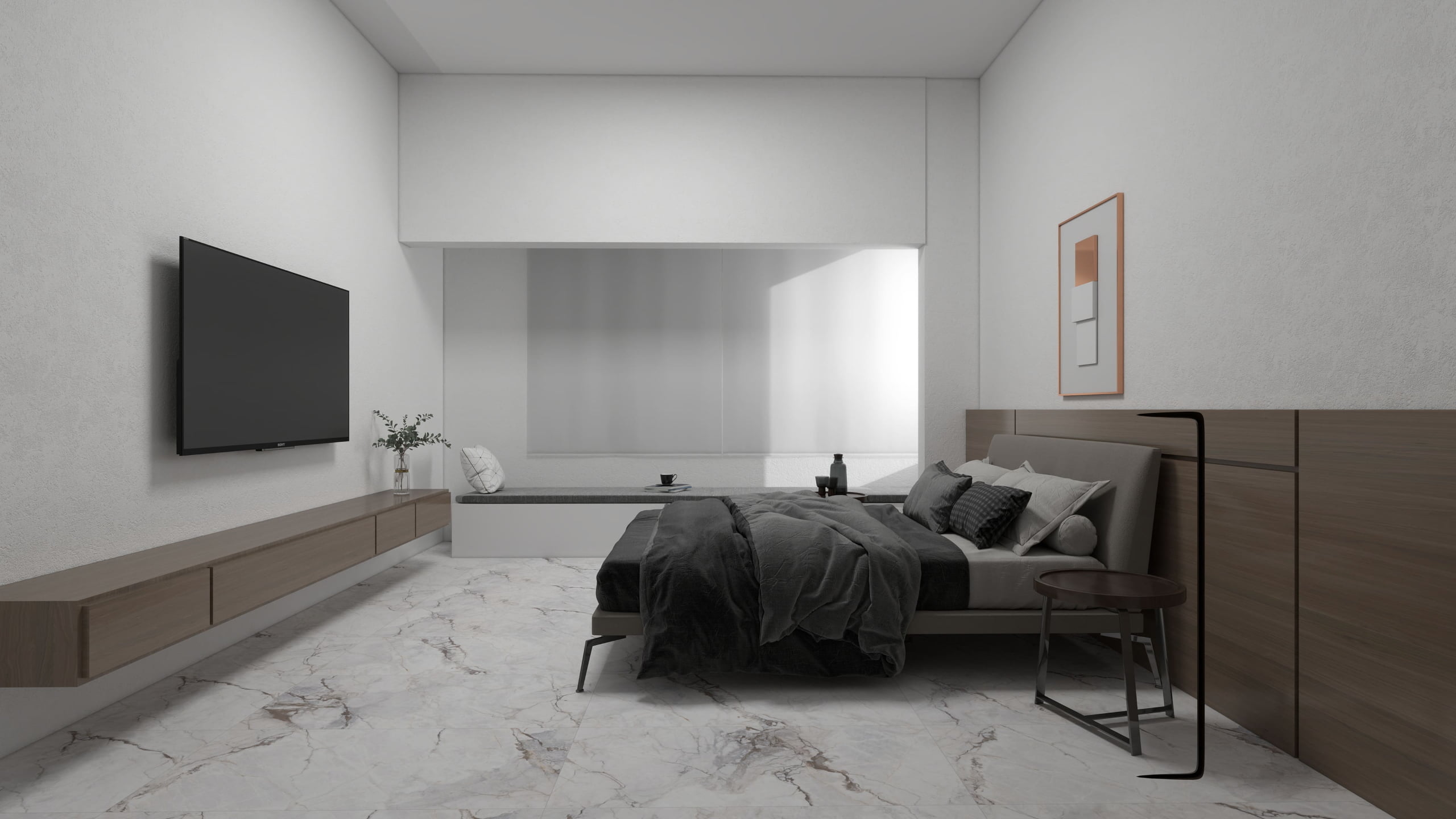
The Core Purpose of Floor Tiles
Floor tiles do heavy work. People walk on them every day. Furniture puts a heavy load on them. A floor tile must survive all this pressure. I worked in the factory for many years. We tested floor tiles. We put heavy weights on them. A good floor tile never cracks under normal weight. The core function is load-bearing. This strength keeps families and workers safe.
Common Sizes for Floors
Buyers need different sizes for different rooms. Small rooms need medium sizes. Large spaces need big sizes. We produce many sizes to meet global market needs. Here is a table of common floor tile sizes:
| Category | Common Sizes (cm) | Application Area |
|---|---|---|
| Standard Square | 60×60, 80×80, 90×90 | Living rooms, Bedrooms |
| Standard Rectangle | 30×60, 40×80 | Hallways, Kitchens |
| Large Format | 100×100, 120×120 | Hotel lobbies, Big villas |
| Extra Large | 60×120, 75×150, 90×180 | High-end commercial spaces |
Water Absorption Standards
Floor tiles face water and dirt. They need tight bodies to stop water. In Chinese tile factories, we follow strict rules. Good floor tiles have very low water absorption. We call the best standard BIa. BIa means water absorption is less than 0.5 percent. We also make BIb tiles. BIb tiles have water absorption between 0.5 percent and 3 percent. These tight bodies keep the tile strong and clean for years.
What are wall tiles?
Are boring walls losing you sales? Plain rooms look cheap and ugly. I will explain how wall tiles fix this problem and create beautiful vertical designs.
Wall tiles are decorative ceramic pieces used mainly on vertical surfaces. Their core function is decoration, not load-bearing. Factories make them lighter and give them beautiful patterns. They transform plain walls into stunning visual spaces in bathrooms, kitchens, and hotels.
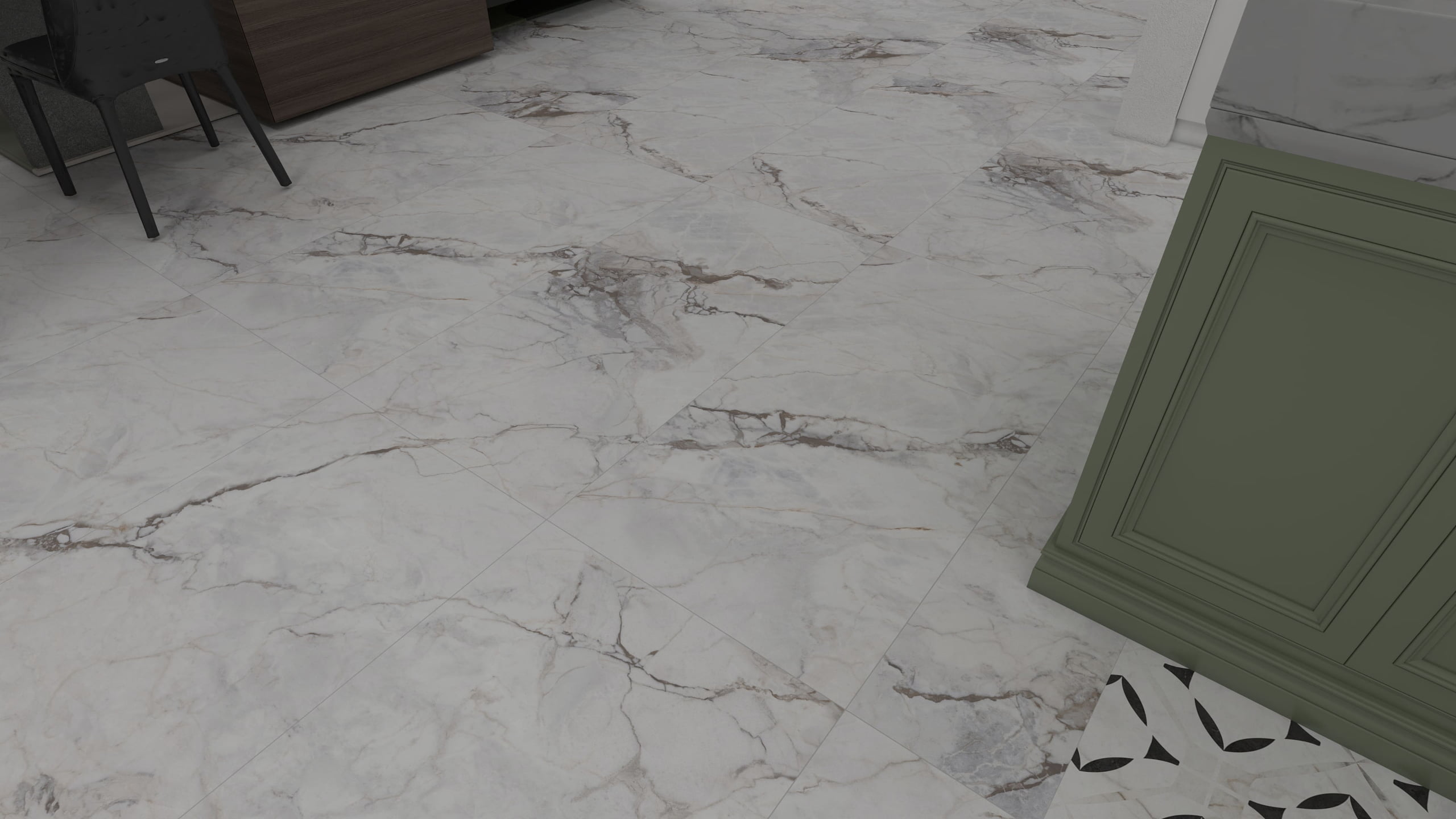
The Role of Decoration
Wall tiles do not carry heavy loads. Nobody walks on the wall. Wall tiles focus on looking good. Factories spend a lot of time designing wall tiles. I remember my days as a tile designer. We mixed rich colors for wall tiles. We created beautiful molds for them. We want the wall to shine and catch the eye. The core function is pure decoration.
Popular Sizes for Walls
Wall tile sizes match human vision. Plumbers and builders install them at eye level. Small sizes fit small bathroom spaces perfectly. Bigger sizes look clean in modern kitchens. I help buyers choose sizes every week. Here are the common wall tile sizes:
| Size Type | Dimensions (cm) | Common Use |
|---|---|---|
| Small Square | 10×10, 20×20 | Kitchen backsplashes, Small showers |
| Small Rectangle | 20×30, 30×45, 30×60 | Traditional bathrooms |
| Modern Rectangle | 30×80, 30×90, 40×80 | Luxury hotel bathrooms |
| Large Wall Panel | 40×120 | High-end modern walls |
Water Absorption of Wall Tiles
Wall tiles have a different body from floor tiles. They need to stick to the wall tightly. Heavy tiles fall off walls. Chinese factories make interior wall tiles light. We give them a high water absorption rate. Interior wall tiles typically have a water absorption rate of around 15 percent. This open body helps the cement grab the tile firmly. The tile stays safe on the wall for many years.
What is the difference between floor tiles and wall tiles?
Do you struggle to explain tile differences to customers? Confused buyers delay their orders. I will break down the exact differences so you can sell easily.
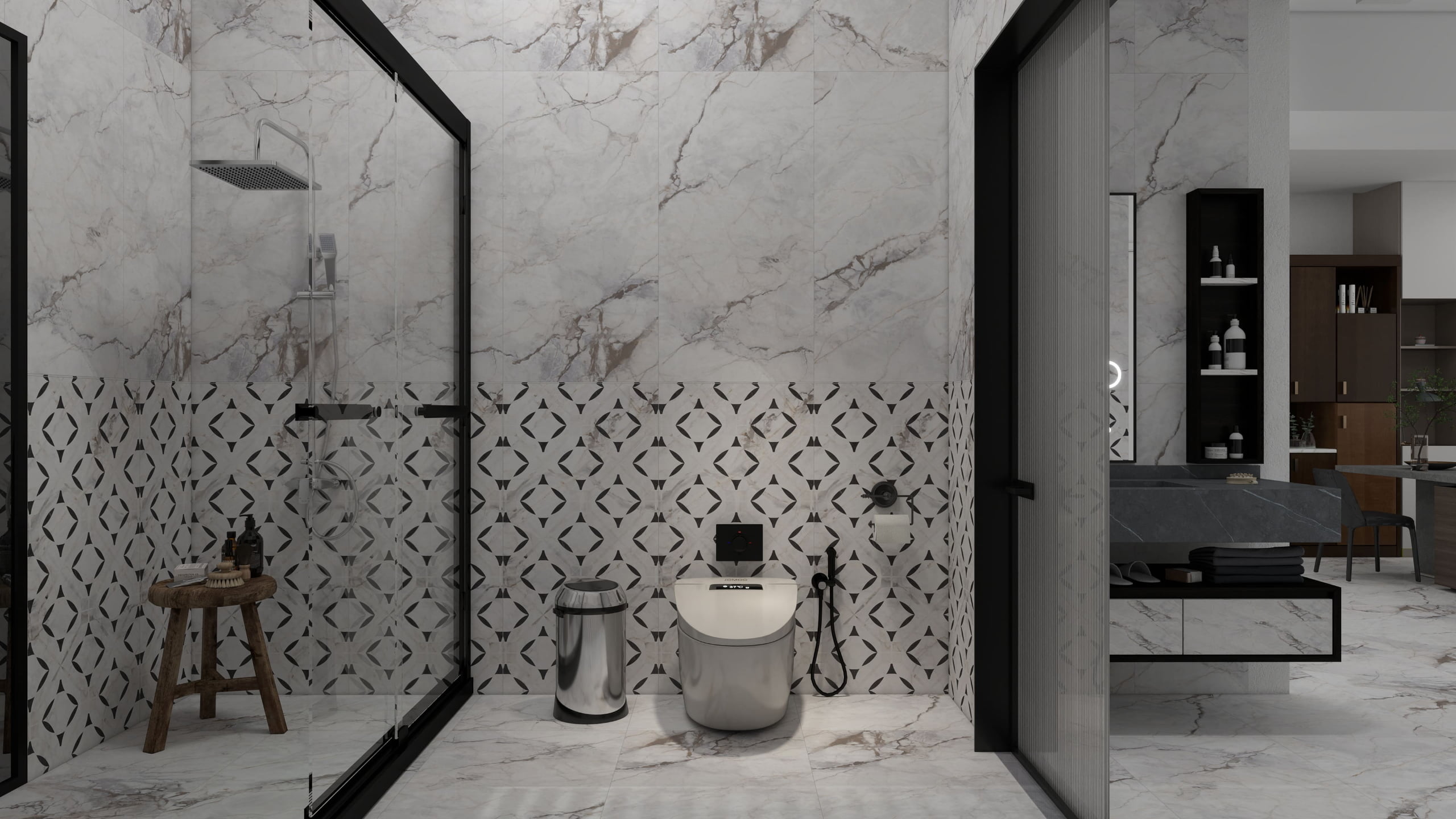
The main differences between floor tiles and wall tiles lie in their strength, water absorption, and purpose. Floor tiles are heavy, strong, and resist water. Wall tiles are light, decorative, and absorb more water. Floor tiles carry heavy loads, and wall tiles add beauty to vertical surfaces.
Strength and Thickness
Floor tiles must take hard hits. Factories press floor tiles with massive machines. We bake them at very high heat. This process makes floor tiles thick and hard. Wall tiles do not need this extreme strength. Factories press wall tiles gently. Wall tiles are thinner and lighter. You can feel the weight difference in your hands easily.
Glaze and Friction
People slip and fall on wet floors. Floor tile glazes need grip. We add anti-slip materials to floor tiles. Wall tiles do not need grip. Factories put smooth glazes on wall tiles. We put shiny glazes on wall tiles. Wall tiles look like glass and clean very fast.
Comparing the Two Products
I often teach my clients how to inspect these tiles. You must know these technical points to win big projects. A good importer understands the data clearly. Here is a clear comparison chart:
| Feature | Floor Tiles | Wall Tiles |
|---|---|---|
| Primary Use | Ground surfaces, walking areas | Vertical surfaces, decoration |
| Load Bearing | High strength, handles heavy weight | Low strength, handles no weight |
| Water Absorption | Very low (Under 3 percent) | High (Around 15 percent) |
| Common Finish | Matte, anti-slip, or strong polish | Glossy, bumpy, rich molds |
This knowledge helps you talk like an expert. You will gain your customer’s trust very quickly.
Can floor tiles and wall tiles be used interchangeably?
Has a builder ever put the wrong tile on a surface? This mistake causes structural failures and client anger. I will tell you exactly what you can mix safely.
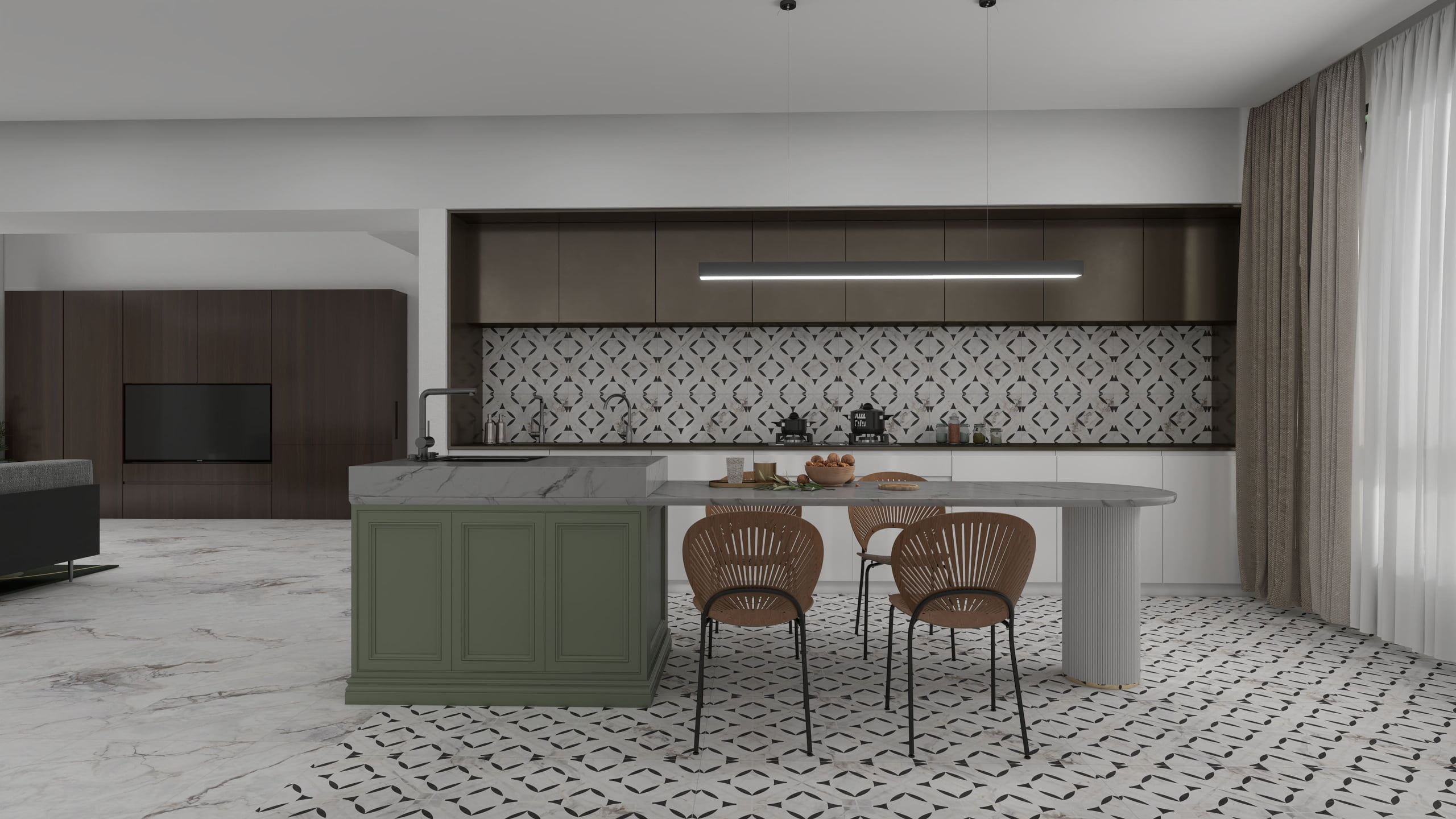
You can use floor tiles on walls, but you cannot use wall tiles on floors. Floor tiles are strong enough for walls but require strong adhesives. Wall tiles are too weak and slippery for floors. Walking on wall tiles breaks them easily and causes dangerous slips.
Using Floor Tiles on Walls
Many designers love continuous looks. They want the floor color to climb up the wall. You can put a floor tile on the wall safely. I see this trend in luxury hotels in Dubai often. You face a big challenge here. Floor tiles are very heavy. Standard cement cannot hold them. They will fall and hurt people. Builders must use special heavy-duty tile glues. Builders also use metal hooks to secure large floor tiles on walls.
The Danger of Wall Tiles on Floors
You must never put a wall tile on the floor. I saw a cheap contractor do this once. The result was a total disaster. Wall tiles have weak bodies and thin glazes. Foot traffic scratches the glaze in a few days. Heavy furniture crushes the tile body instantly. The smooth surface acts like ice when wet. People will slip and break their bones.
Simple Rule of Thumb
You need a strict rule for your warehouse. Instruct your sales team to follow this guide closely. This guide protects your business from bad claims.
| Application Type | Is it Safe? | Required Action |
|---|---|---|
| Floor tile on the floor | Yes | Use standard floor cement |
| Wall tile on the wall | Yes | Use standard wall cement |
| Floor tile on the wall | Yes, but difficult | Use high strength glues and hooks |
| Wall tile on the floor | Absolutely No | Do not sell for this purpose |
This simple rule makes project planning very safe. Your clients will respect your honest advice.
Conclusion
Floor tiles carry heavy loads, and wall tiles create beautiful vertical designs. Understand these core differences and sizes to supply the perfect materials for your next big project.